Movement Through Every Stage of Life
Movement looks different throughout our lives. The way we move as children, athletes, parents, professionals, and older adults may change, but the importance of movement remains constant.
Throughout my career, I’ve had the privilege of caring for people across every stage of life. What I’ve learned is that many of the habits that support lifelong health begin much earlier than most people realize. Building confidence in movement as a child, developing healthy training habits as an athlete, maintaining strength through adulthood, and protecting mobility as we age are all part of the same continuum.
How we move today can influence how well we’re able to move tomorrow. That’s why I believe movement should be viewed not simply as exercise or athletic performance, but as an investment in our long-term health, function, and independence.
Here’s how I think about movement across the lifespan.
Childhood
Building Confidence Through Movement
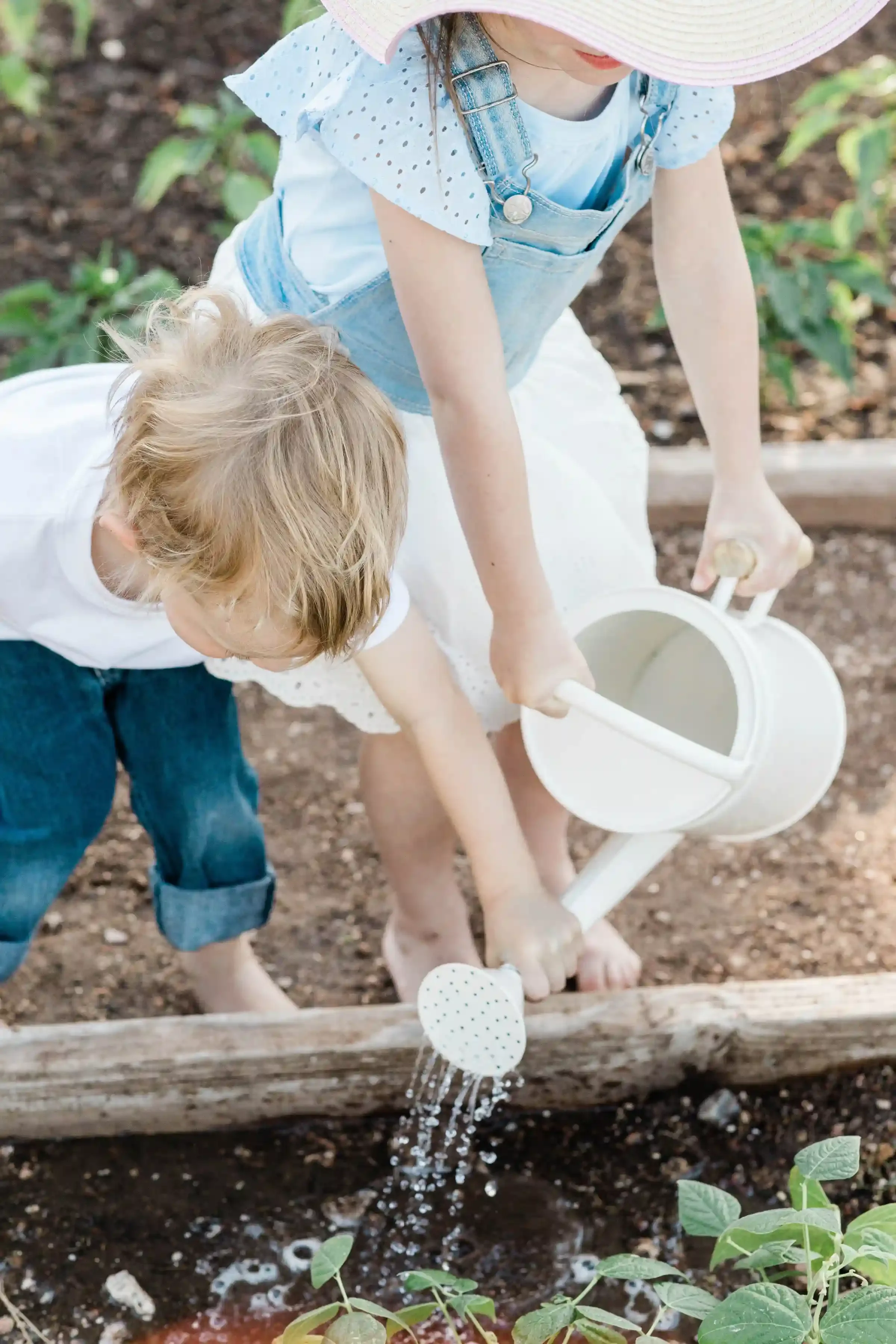
Before children become athletes, they need opportunities to simply move. Running, climbing, jumping, hanging from monkey bars, balancing, riding a bike, and playing on the playground all help children develop strength, coordination, balance, agility, and body awareness.
These early experiences build what we call physical literacy: the confidence and ability to move in different ways and environments. The more varied the movement, the more opportunities children have to understand what their bodies can do and develop a strong foundation for whatever activities they may choose later.
At this stage, movement doesn’t need to revolve around organized sports, structured workouts, or performance. Unstructured play is valuable. Children should have opportunities to explore movement, take age-appropriate physical risks, and learn new skills without worrying about whether they are the fastest or the best. When children feel capable and confident in their bodies, they’re also more likely to see movement as something enjoyable, an attitude that can shape their relationship with physical activity for years to come.
Adolescence
Growing Athletes, Not Just Better Athletes
As children enter organized and competitive sports, the conversation around movement often shifts toward performance. Practices become more frequent, competition increases, and young athletes may begin focusing on a single sport at increasingly younger ages. But developing a young athlete should be about more than becoming faster, stronger, or more competitive. Adolescence is a period of tremendous physical change, and growing bodies need appropriate training, recovery, variety, nutrition, and time to adapt.
Year-round participation in a single sport, repetitive movement patterns, and pressure to continually perform can contribute to overuse injuries and burnout. Rest and recovery aren’t signs that an athlete is falling behind; they are part of healthy athletic development. This is also an important time to recognize that athletes develop differently. Female athletes, in particular, experience changes during puberty that can influence strength, biomechanics, bone health, and injury risk. Understanding those differences allows us to better support girls as athletes rather than expecting every developing body to respond to training in exactly the same way.
The goal should be to develop healthy, resilient athletes, not simply successful young athletes, so they can continue participating in the sports and activities they love well beyond adolescence.
Adulthood
Staying Active for the Long Run
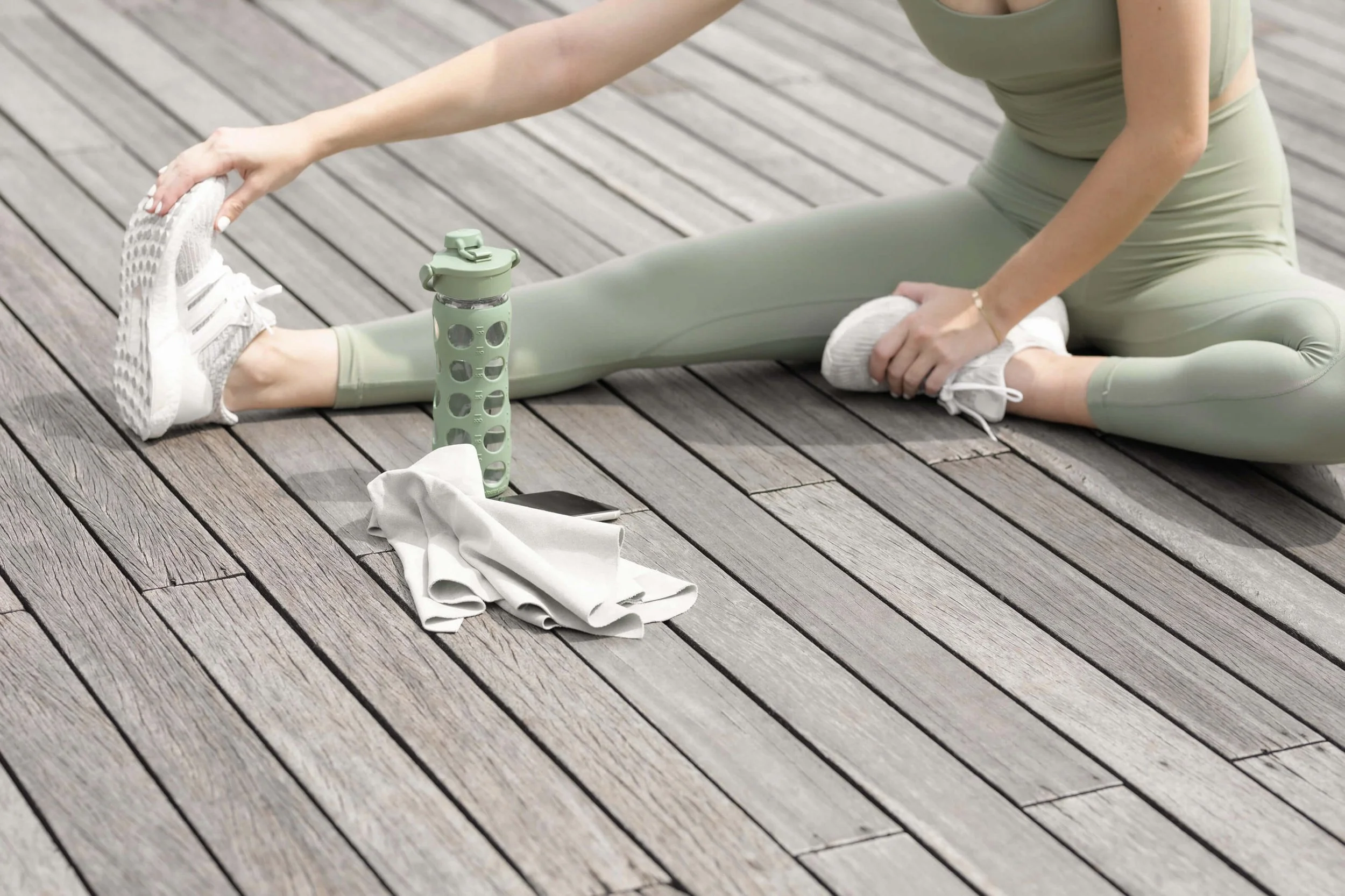
In adulthood, movement often has to compete with careers, family responsibilities, travel, and increasingly busy schedules. The structured practices and activities of our younger years disappear, and staying active becomes something we have to intentionally make room for.
Exercise may also become less about competition and more about maintaining the strength, mobility, cardiovascular health, and energy needed for everyday life. That can mean strength training, running, cycling, recreational sports, walking, hiking, or simply finding ways to move consistently throughout the week.
Consistency matters more than perfection. A well-rounded approach that incorporates strength, cardiovascular activity, mobility, and recovery can help the body remain capable and resilient. Just as importantly, learning to recognize when something doesn’t feel right and addressing injuries before they significantly interfere with activity can help prevent a temporary setback from becoming a long-term limitation. Our bodies will change, and the way we exercise may need to change with them. The goal isn’t necessarily to move exactly as you did at 20. It’s to keep finding ways to move that support the life you have today and the life you want to have tomorrow.

Midlife
Protecting Strength and Bone Health
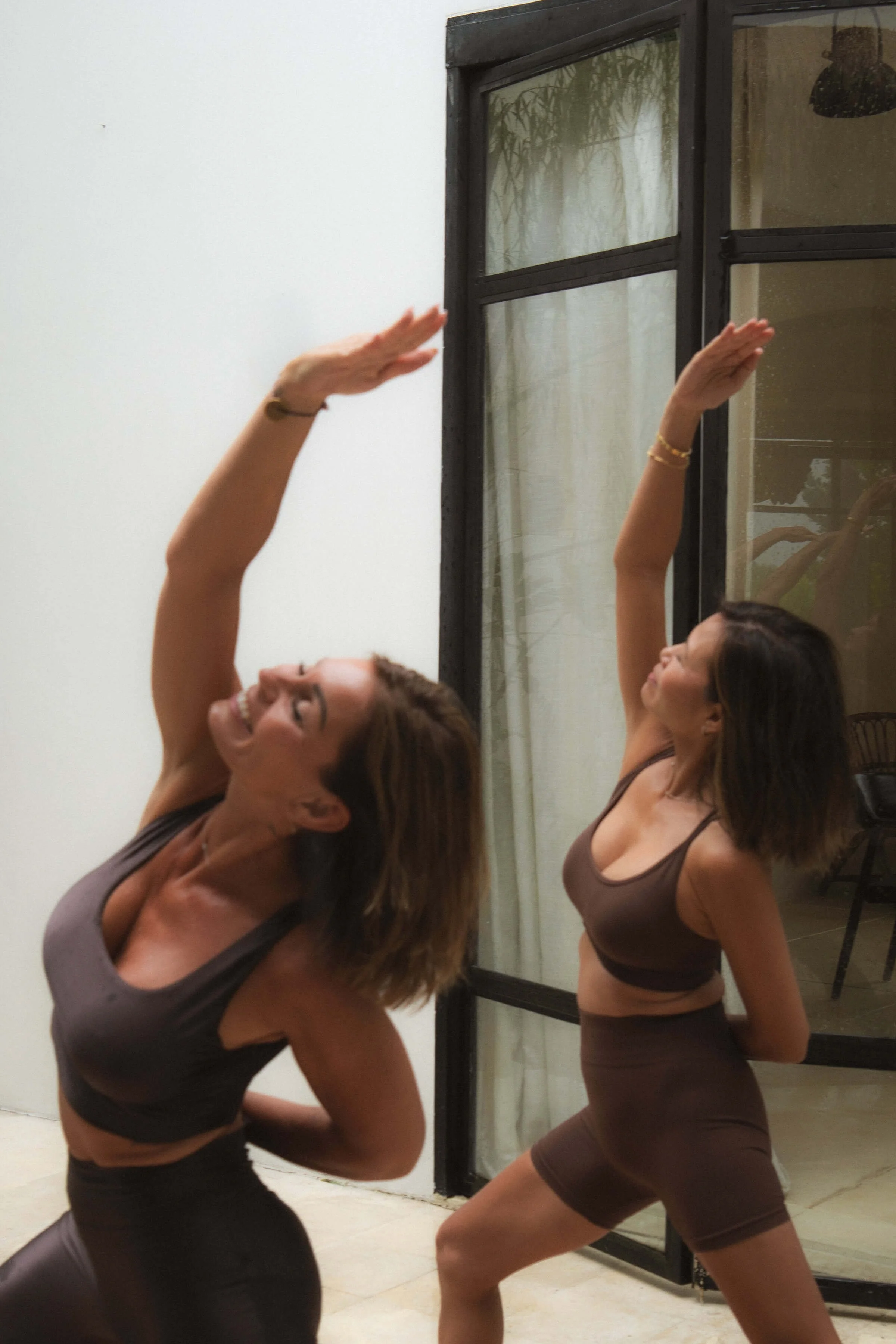
Midlife is an especially important time to think about movement proactively. For women, the hormonal changes associated with perimenopause and menopause can affect muscle mass, bone density, body composition, and recovery, often at a time when maintaining strength becomes increasingly important for long-term health.
We naturally begin losing muscle and bone as we age, which makes strength training and weight-bearing activity particularly valuable during these years. Maintaining muscle isn’t simply about appearance or athletic performance. Strength supports our joints, balance, metabolism, and ability to perform everyday activities, while strong bones help reduce the risk of osteoporosis and fractures later in life. This is also a time when women may notice that their bodies respond differently to exercise than they did before.
That doesn’t mean movement should stop. It may mean becoming more intentional about training, recovery, nutrition, and choosing activities that build strength while respecting what the body needs. What we do during midlife can have a meaningful impact on how we enter our later decades. Rather than viewing this stage as a reason to slow down, I see it as an opportunity to invest in the strength and resilience we want to carry forward.
Healthy Aging
Movement Is Independence
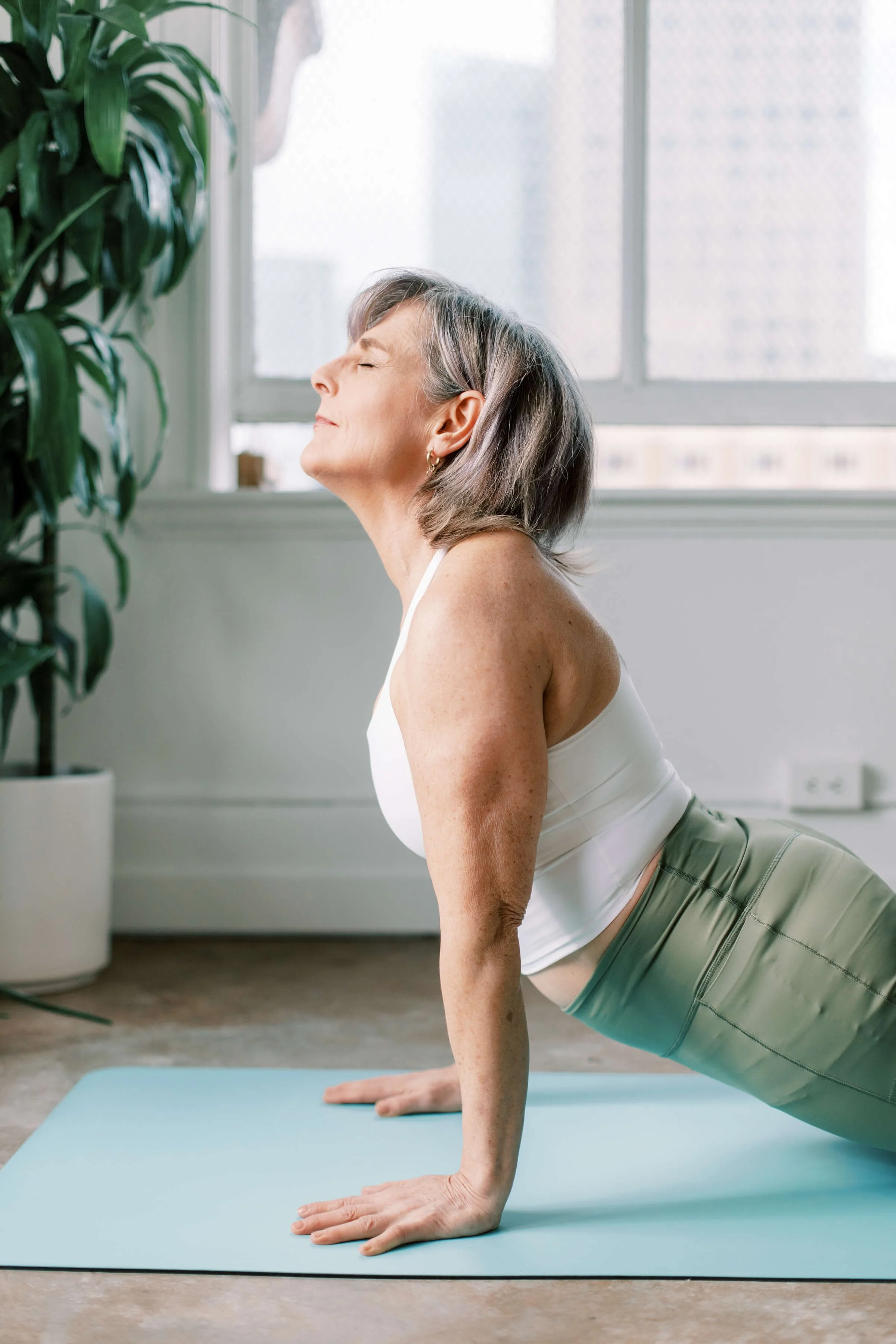
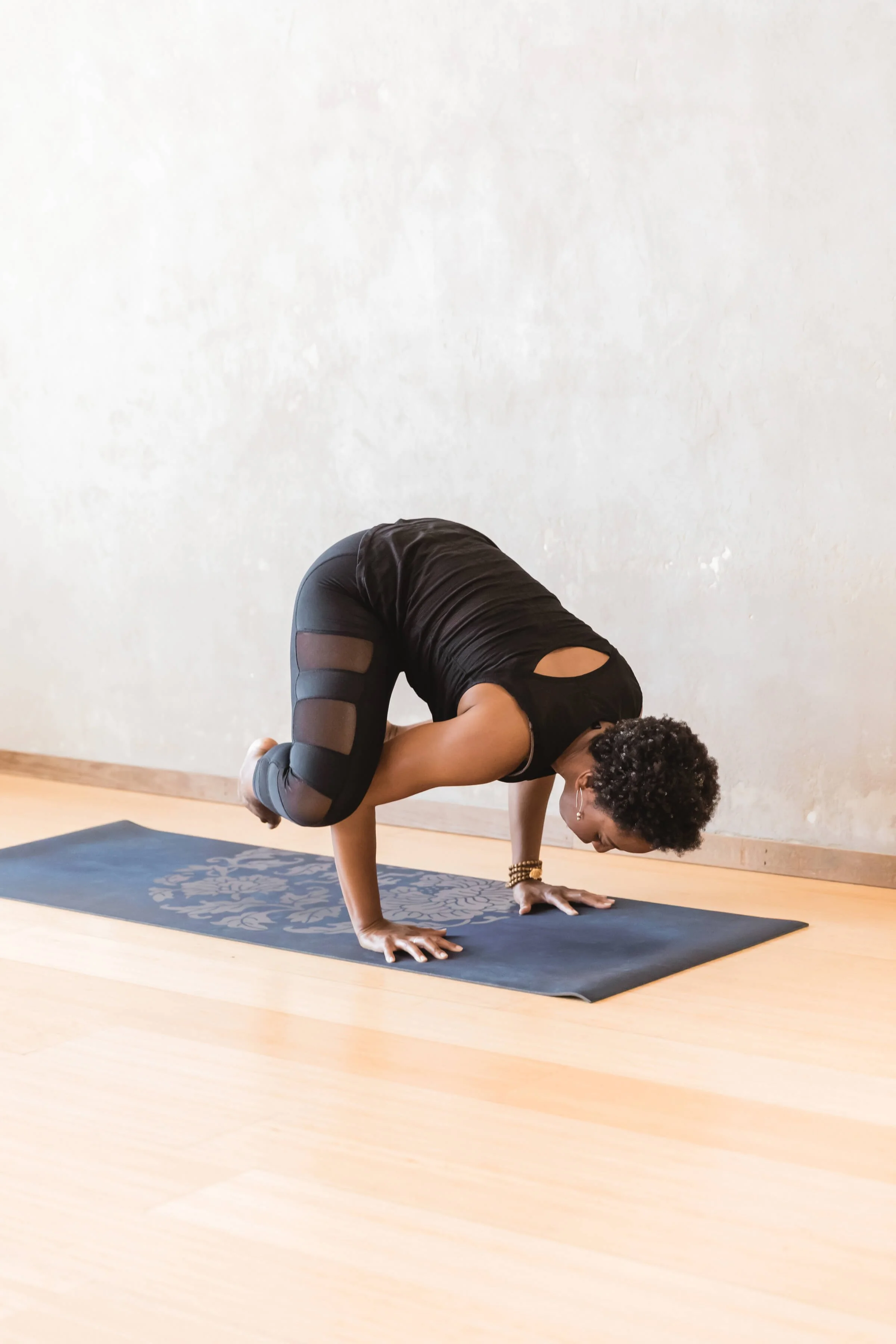
As we get older, the purpose of movement becomes even bigger. Strength, balance, mobility, and endurance influence our ability to do everyday things independently, from climbing stairs and carrying groceries to traveling, gardening, playing with grandchildren, or simply getting up from the floor comfortably. Maintaining those abilities doesn’t happen automatically. Continuing to challenge our muscles, balance, cardiovascular system, and mobility can help preserve physical function and confidence while reducing the limitations we sometimes associate with aging.
Movement also doesn’t need to look the same for everyone. The right activity depends on an individual’s health, abilities, interests, and goals. Walking, strength training, swimming, cycling, balance exercises, and recreational activities can all play a role. What matters is continuing to move in ways that are appropriate, enjoyable, and sustainable.
Healthy aging isn’t about trying to move like a younger version of yourself. It’s about maintaining the physical capacity to continue doing the things that give your life meaning.
Ultimately, movement is about much more than exercise.
The goal isn’t simply to avoid injury. It’s to build a body that supports the life you want to live.